Logo
Bảo hiểm tiền gửi Việt Nam
Deposit Insurance of Vietnam
  • Giới thiệu
    • Thông điệp của Chủ tịch Hội đồng quản trị Bảo hiểm tiền gửi Việt Nam
    • Tổng quan về BHTGVN
    • Chức năng nhiệm vụ của BHTGVN
    • Cơ cấu tổ chức
      • Ban lãnh đạo qua các thời kỳ
      • Ban lãnh đạo hiện nay
      • Sơ đồ tổ chức
      • Mạng lưới BHTGVN
  • Dành cho người gửi tiền
    • Quyền lợi của người được BHTG
    • Mẫu chứng nhận tham gia BHTG
    • Danh sách tổ chức tham gia BHTG
    • Thủ tục nhận tiền bảo hiểm
  • Dành cho tổ chức tham gia BHTG
    • Thủ tục tham gia BHTG
    • Quyền lợi, nghĩa vụ của tổ chức tham gia BHTG
    • Hệ thống quản lý thu thập thông tin (ICM)
  • Thư viện
    • Video
    • Văn bản
      • Văn bản pháp luật về BHTG
      • Văn bản liên quan
      • Văn bản do BHTGVN ban hành
  • Thông tin báo chí
  • Ấn phẩm
    • Bản tin BHTG
    • Báo cáo thường niên
    • Ấn phẩm khác
  • Liên hệ
icon home Trang Chủ icon arrow Knowledge & Expertise

Deposit insurance and restructuring of weak banks

Thứ 5 , 28/08/2025
What are the advantages and disadvantages of restructuring a weak bank through the transfer of its deposits and good assets to a sound bank, compared to a mandatory transfer?

The mandatory transfer of a weak bank involves a decision by competent state authorities to  transfer it to a viable, well-capitalized bank. In this process, the acquiring bank assumes all liabilities and assets of the failing bank, including both non-performing and performing assets. As a result, all deposits, whether held by individuals or entities, are fully protected, since the responsibility for repayment lies with the acquiring bank. This approach helps maintain public confidence, as depositors can feel secure continuing to place their funds with the acquiring bank. In the early stages of such a transfer, the Deposit Insurance of Vietnam may provide financial assistance to support the acquiring bank in resuming normal operations. However, identifying a suitable acquiring bank is time-consuming as it requires evaluating asset quality, calculating asset-liability gap, and estimating various costs associated with the transfer. Consequently, some jurisdictions opt for alternative, more efficient resolution strategies in practice.

A widely adopted approach involves transferring deposits and good assets to a healthier acquiring bank. The advantage of this method is that it protects depositors, particularly individual depositors, from losses they  would otherwise incur in the event of a bank’s liquidation or bankruptcy. This type of transfer helps maintain the stability of the banking system, avoids negative impacts on the broader financial system and economy, and mitigates the risk of a financial crisis. For the acquiring bank, the transfer offers several potential benefits. These include gaining new customers, such as depositors and borrowers, and acquiring good assets.  This enables the bank to expand  its scale and scope of operations, improve its asset quality, and boost profits by providing additional banking services. Because of these market-driven incentives, more banks may be willing to participate voluntarily, promoting a market-oriented resolution process (rather than one driven solely by regulatory compulsion), and thereby stabilizing the market more quickly. In such cases, the Deposit Insurance of Vietnam may provide initial financial support to facilitate the transfer and ensure that depositors' interests remain fully protected, thus reinforcing public confidence in the banking sector.

However, this method also has its challenges. The restructuring process by transferring deposits and good assets may still incur significant administrative and financial costs. Moreover, it requires a thorough and time-consuming valuation of both performing and non-performing assets. Furthermore, if not implemented transparently and effectively, the process could damage the weak bank’s reputation. Protecting the deposits and  assets of weak banks can lead to moral hazard, as others may assume that they too will be rescued by the Government, thus reducing their motivation for sound risk management. Handling the non-performing assets left behind at the weak bank is particularly difficult. In many countries, such assets are transferred to an asset management company (AMC), such as Vietnam Asset Management Company (VAMC) in Vietnam, or sold to private investors. However, this is also a prolonged and challenging process.

Therefore, the acquiring bank must be capable of evaluating and managing the risks associated with the transferred assets, which can be demanding. The integration of new assets and customers into the existing system may also require significant time and resources. Additionally, the acquiring bank must ensure that the acquisition does not negatively affect its reputation or brand image. Consequently, only banks with sufficient financial capacity, effective risk management, and the ability to absorb and integrate new business will be eligible to participate. The number of potential acquirers depends on several factors, including adequate capital and financial strength to absorb the new assets, the ability to conduct due diligence and risk management of the transferred assets, and strategic business plans to make full use of the new assets and customers.

In conclusion, restructuring weak banks by transferring their deposits and good assets to healthier institutions offers both advantages and disadvantages. This approach requires careful consideration and must be implemented in a transparent and efficient manner to safeguard the stability of the banking system and economy. The Deposit Insurance of Vietnam can also play a crucial role by providing financial support to the acquiring bank, thereby facilitating the process, safeguarding depositors, and strengthening public confidence in the banking system./.

Department of Research and International Cooperation (translation)

Các tin khác

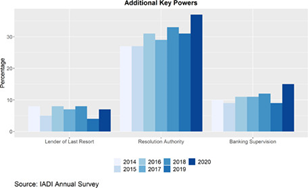
Strengthening the role of deposit insurers in protecting financial consumers

Financial consumer protection is one of the important tools to increase people's access...

Changes in the role of deposit insurers in resolution of failed credit institutions and resolution tools after 2008 financial crisis

Deposit insurers (DIs) have often been established following financial and banking crises...

TIN ĐỌC NHIỀU
  • Phát biểu của Tổng Bí thư Tô Lâm tại Đại hội Thi đua yêu nước toàn quốc lần thứ XI
  • Tư tưởng, đạo đức, phong cách Hồ Chí Minh soi đường trong kỷ nguyên số
  • Kỷ niệm 260 năm Ngày sinh Đại thi hào Nguyễn Du (1765-2025): Giá trị tư tưởng, nghệ thuật đặc sắc của Truyện Kiều và các tác phẩm tiêu biểu của Nguyễn Du
  • Đảng bộ cơ sở Chi nhánh BHTGVN tại TP. Hồ Chí Minh đẩy mạnh chuyển đổi số, ứng dụng trí tuệ nhân tạo vào công tác Đảng và chuyên môn
  • Công tác kiểm tra năm 2025 tại Chi nhánh BHTGVN khu vực Bắc Trung bộ đảm bảo tiến độ và chất lượng
  • Ứng dụng AI trong công tác giám sát: Bước tiến nhỏ về kỹ thuật, chuyển biến lớn về tư duy trong chuyển đổi số tại Bảo hiểm tiền gửi Việt Nam
  • Công bố Quyết định kiện toàn nhân sự các Ban chuyên đề Công đoàn Bảo hiểm tiền gửi Việt Nam
  • Chi nhánh BHTGVN khu vực Bắc Trung Bộ tập huấn tuyên truyền phòng cháy, chữa cháy năm 2025
  • Chi nhánh BHTGVN khu vực Tây Bắc Bộ ký kết Quy chế phối hợp giám sát, quản lý hoạt động hệ thống QTDND
  • Niềm tin – “lá chắn” vững chắc bảo vệ nền tảng tư tưởng của Đảng
Quản lý ấn phẩm
Bản tin Bảo hiểm tiền gửi số 69 Quý III năm 2025
Annual Report 2024
Bản tin Bảo hiểm tiền gửi số 68 Quý II năm 2025
Bản tin Bảo hiểm tiền gửi số 67 Quý I năm 2025
	Bản tin Bảo hiểm tiền gửi số 66 Quý IV năm 2024
Bản tin Bảo hiểm tiền gửi số 65 Quý III năm 2024
Annual Report 2023
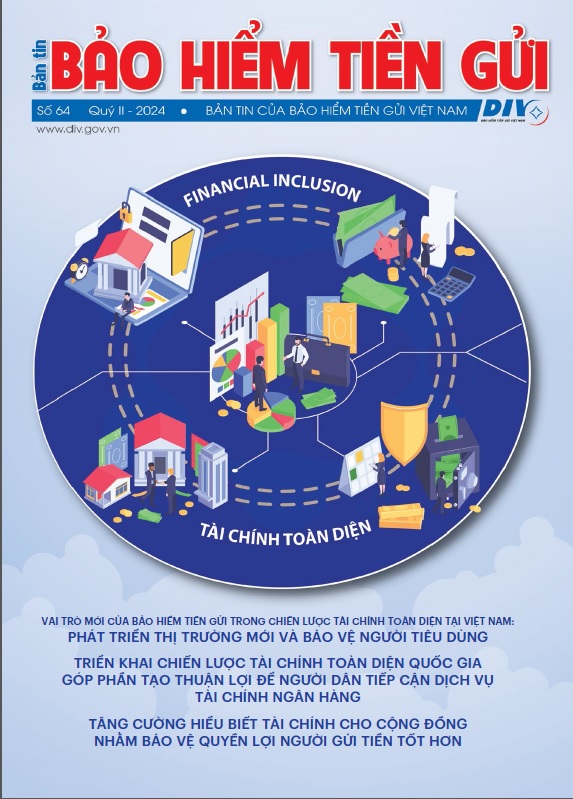
Bản tin Bảo hiểm tiền gửi số 64 Quý II năm 2024
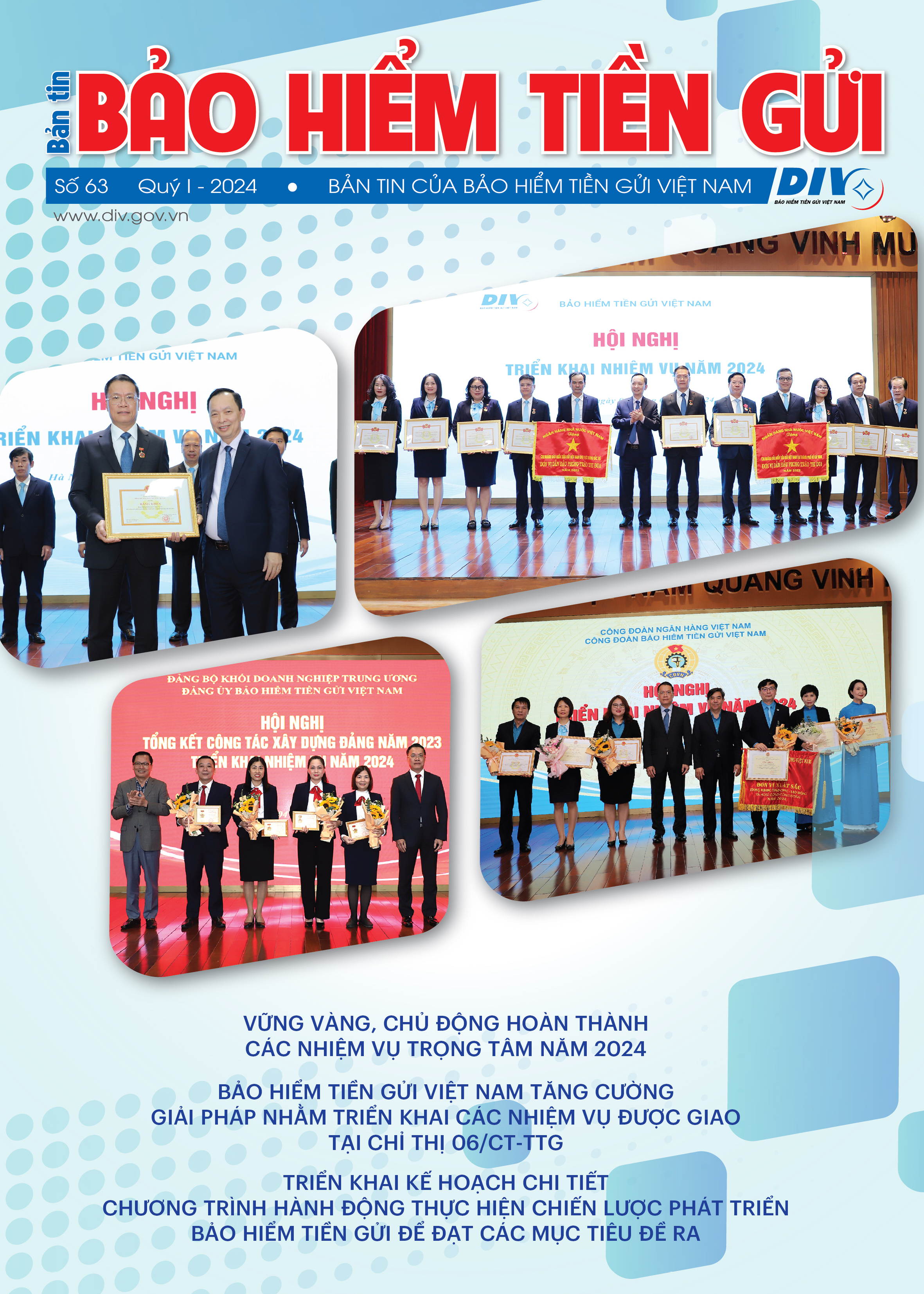
	Bản tin Bảo hiểm tiền gửi số 63 Quý I năm 2024
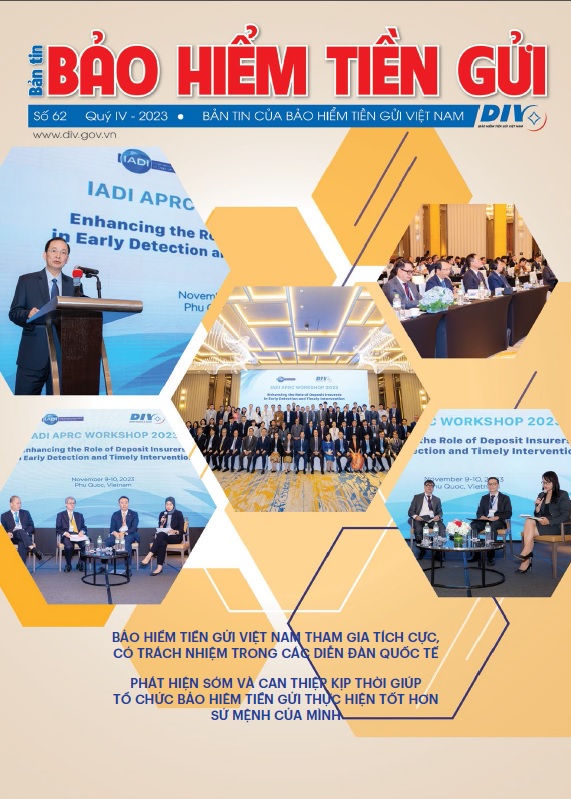
Bản tin Bảo hiểm tiền gửi số 62 Quý IV năm 2023
Annual Report 2022
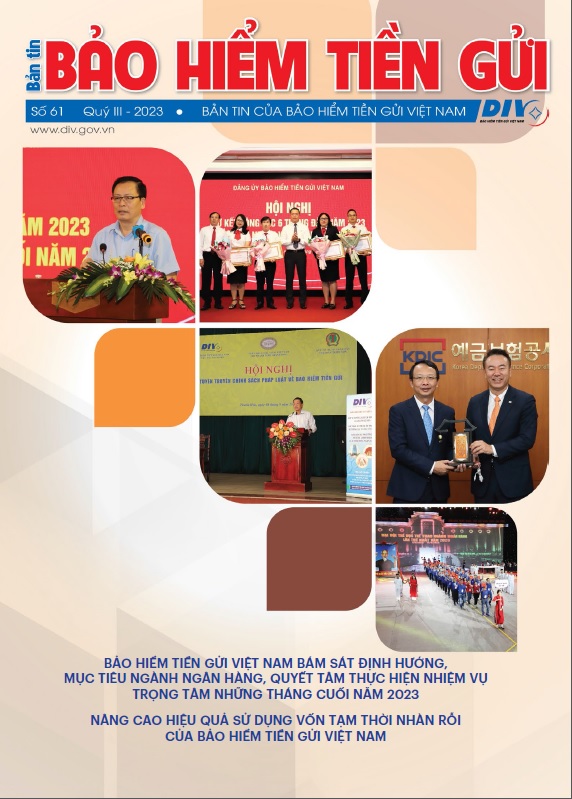
Bản tin Bảo hiểm tiền gửi  số 61 Quý III năm 2023
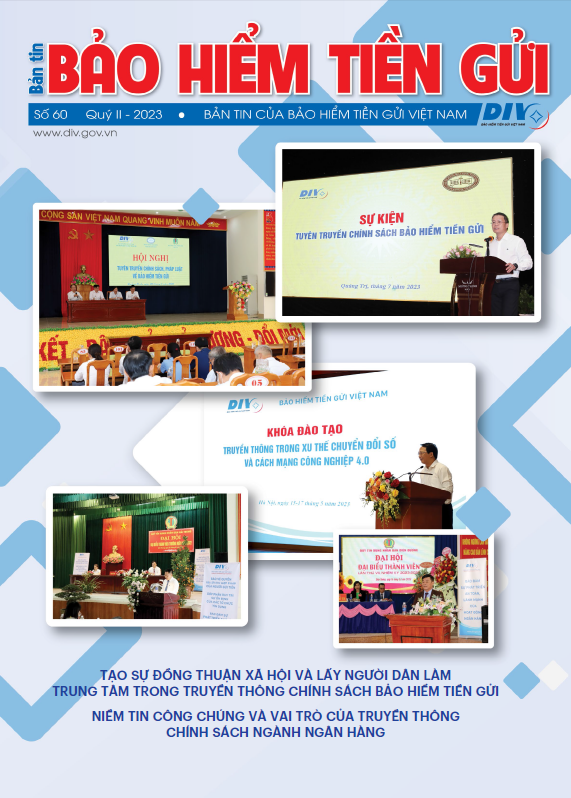
 Bản tin Bảo hiểm tiền gửi  số 60 Quý II năm 2023
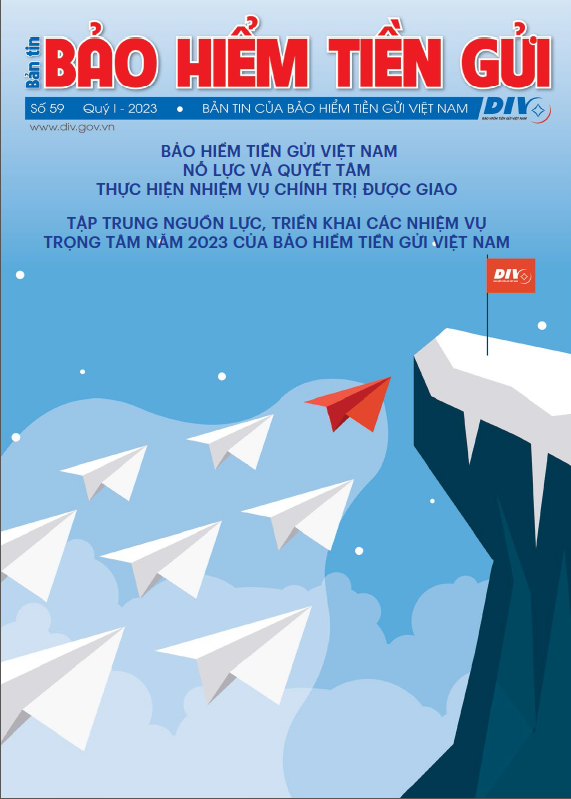
Bản tin Bảo hiểm tiền gửi  số 59 Quý I năm 2023
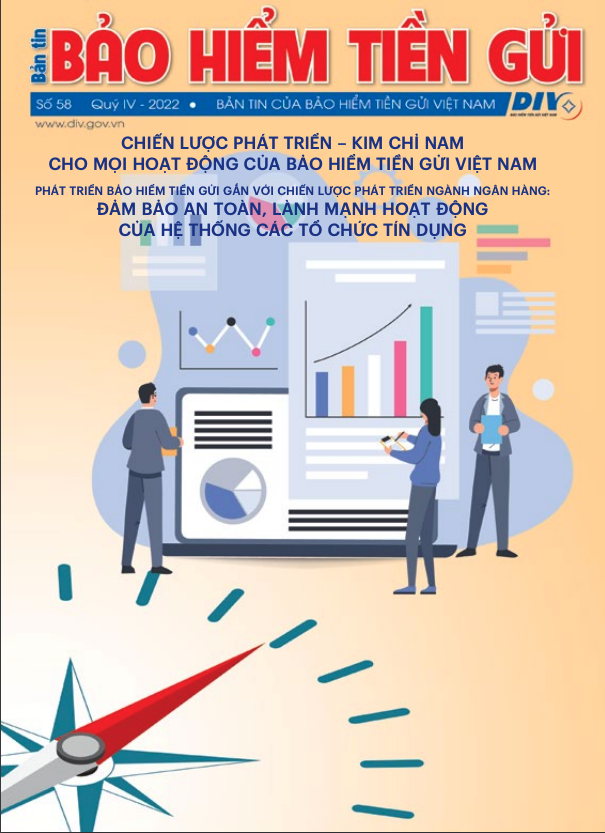
Bản tin bảo hiểm tiền gửi số 58 - Quý IV năm 2022
Bản tin bảo hiểm tiền gửi số 57 - Quý III năm 2022
Bản tin bảo hiểm tiền gửi số 56 - Quý II năm 2022
Bản tin bảo hiểm tiền gửi số 55 - Quý I năm 2022
Bản tin Bảo hiểm tiền gửi số 55 Quý I năm 2022
Bản tin bảo hiểm tiền gửi số 54 - Quý IV năm 2021

Chịu trách nhiệm nội dung website: ThS. Đặng Duy Cường

©Bản quyền 2022 được bảo lưu bởi Bảo hiểm tiền gửi Việt Nam

Lô D20, đường Tôn Thất Thuyết, phường Cầu Giấy, TP. Hà Nội.
(84-24)3974 2886
banbientap@div.gov.vn
  • Giới thiệu
    • Thông điệp của Chủ tịch Hội đồng quản trị Bảo hiểm tiền gửi Việt Nam
    • Tổng quan về BHTGVN
    • Chức năng nhiệm vụ của BHTGVN
    • Cơ cấu tổ chức
      • Ban lãnh đạo qua các thời kỳ
      • Ban lãnh đạo hiện nay
      • Sơ đồ tổ chức
      • Mạng lưới BHTGVN
  • Dành cho người gửi tiền
    • Quyền lợi của người được BHTG
    • Mẫu chứng nhận tham gia BHTG
    • Danh sách tổ chức tham gia BHTG
    • Thủ tục nhận tiền bảo hiểm
  • Dành cho tổ chức tham gia BHTG
    • Thủ tục tham gia BHTG
    • Quyền lợi, nghĩa vụ của tổ chức tham gia BHTG
    • Hệ thống quản lý thu thập thông tin (ICM)
  • Thư viện
    • Video
    • Văn bản
      • Văn bản pháp luật về BHTG
      • Văn bản liên quan
      • Văn bản do BHTGVN ban hành
  • Thông tin báo chí
  • Ấn phẩm
    • Bản tin BHTG
    • Báo cáo thường niên
    • Ấn phẩm khác
  • Liên hệ